Best Turkey Calls for Beginners: A Simple Guide to the Calls You Actually Need
For a new turkey hunter, choosing the right calls can feel overwhelming. Walk into any sporting goods store and you’ll find walls of calls in every shape, size, and material imaginable. While a turkey vest may have room for dozens of calls, the truth is you only need a few—sometimes just one—to get started.
The key for beginners isn’t owning more calls. It’s understanding which types of calls are easiest to learn, most versatile in the field, and best suited for common turkey hunting situations.
In this guide, we’ll break down the best types of turkey calls for beginner hunters, explain how each one works, and outline their strengths and limitations. Once you understand the basics, you’ll be in a much better position to choose calls with confidence—and, more importantly, use them effectively.
A Simple Beginner Turkey Call Setup
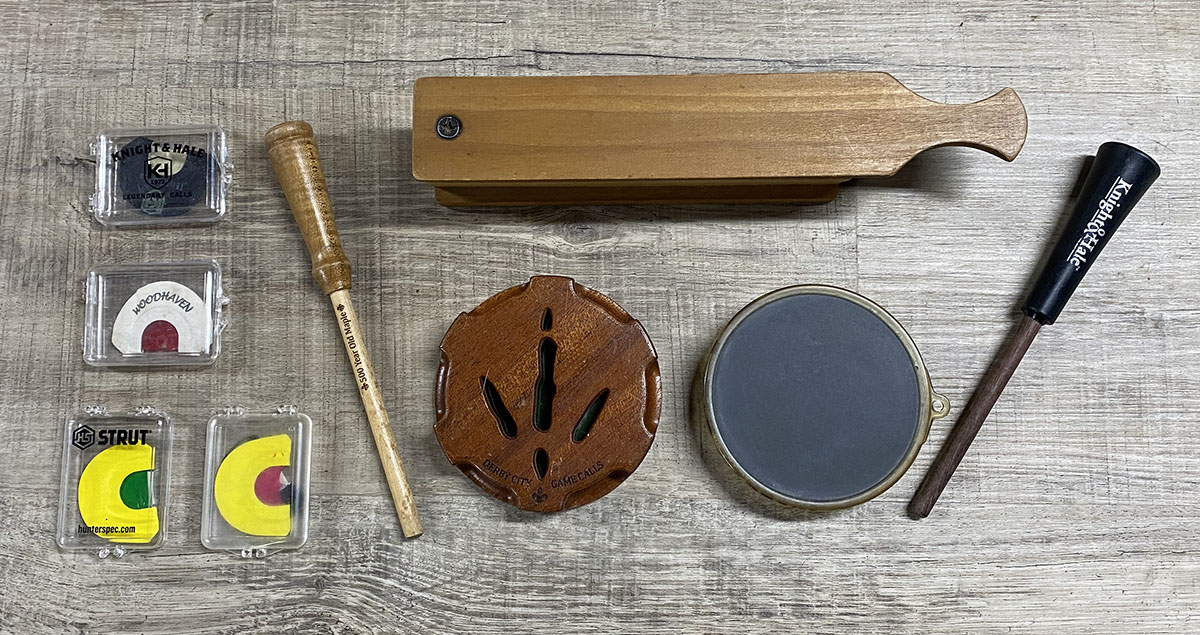
If you’re brand new to turkey hunting, you don’t need a complicated setup. A simple combination of:
- One friction call
- One box call or push-pin call
- One diaphragm call (to start practicing with)
…is more than enough to call in turkeys consistently. Many hunters kill their first birds with even less.
Let’s take a closer look at each call type and where it fits into a beginner’s toolkit.
Friction Calls (Pot and Striker)
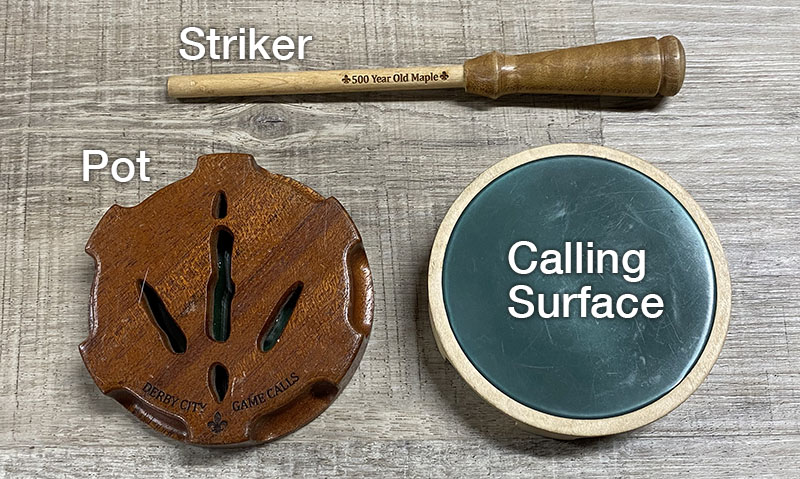
Friction calls are often the best starting point for new turkey hunters. They are relatively easy to learn, capable of producing a wide range of realistic turkey sounds, and forgiving of minor mistakes.
A friction call consists of two main parts:
- The pot (soundboard): Typically made of wood or synthetic material, topped with a calling surface such as slate, glass, or metal.
- The striker: A small rod—usually wood—with a rounded tip used to create sound through friction.
Different combinations of pot materials, surfaces, and strikers produce different tones, pitches, and levels of rasp.
How to Use a Friction Call
The hunter holds the pot in one hand and the striker in the other. By applying light pressure and moving the striker in small circles or short strokes across the surface, it’s possible to produce yelps, clucks, purrs, and cackles. Volume and tone are controlled by pressure, speed, and striker angle.
Pros
- Produces a wide range of realistic turkey sounds
- Relatively easy to learn
- Excellent for soft, natural calling
Cons
- Performance can suffer in wet conditions
- Requires two hands to operate
- Bulkier than mouth calls
Beginner takeaway: If you carry only one call your first season, a friction call is a solid choice.
Push-Pin Calls
Push-pin calls are the simplest turkey calls on the market—and that’s exactly why they’re effective for beginners. They’re nearly foolproof and require very little practice to sound “good enough” to fool a gobbler.
A push-pin call consists of a small box with a spring-loaded peg. Pressing and releasing the peg creates a high-pitched, raspy sound similar to hen yelps and clucks.
How to Use a Push-Pin Call
Hold the call in one hand and use a finger to push the pin in and allow it to return naturally. Short presses create clucks, while longer strokes create yelps. Volume is controlled by pressure and rhythm.
Pros
- Extremely easy to use
- Affordable and durable
- Can be operated with one hand
Cons
- Limited range of turkey sounds
- Less realistic than friction or diaphragm calls
- Bulkier than mouth calls
Beginner takeaway: A push-pin call is a great confidence builder and a solid backup call in any vest.
Box Calls
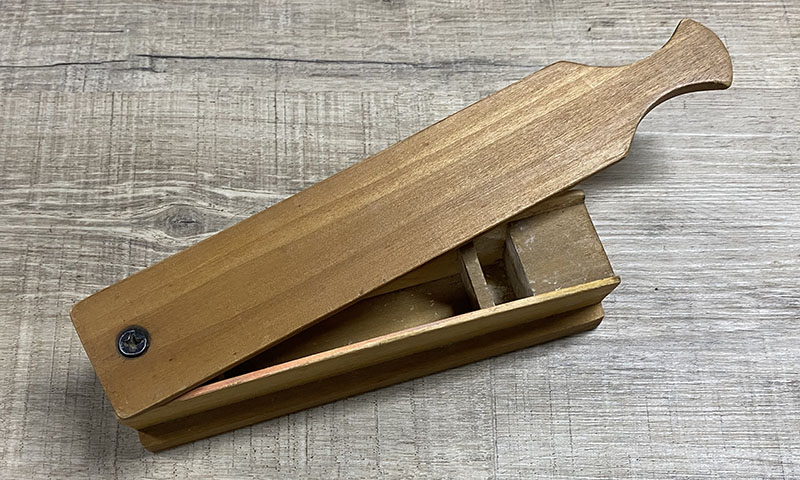
Box calls have been responsible for calling in turkeys for generations. They are simple to operate, capable of high volume, and especially useful when trying to locate a gobbling bird at a distance or in windy conditions.
A box call consists of a rectangular wooden box and a paddle (lid) that slides across the top edges to create sound through friction.
How to Use a Box Call
Hold the box in one hand and slide the lid back and forth with the other. Varying pressure and speed allows the hunter to produce yelps, clucks, and cutting. Box calls excel at louder calling but can also be toned down with practice.
Pros
- Easy to learn with minimal practice
- Capable of loud, long-range calling
- Effective for locating birds
Cons
- Requires two hands
- Bulky compared to other calls
- Can produce unwanted noise if mishandled
Beginner takeaway: A box call is an excellent locating call and a valuable addition to a beginner’s setup.
Diaphragm (Mouth) Calls
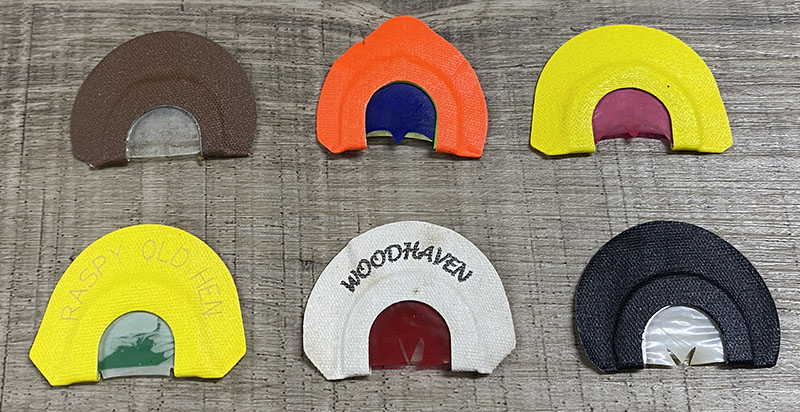
Diaphragm calls are the most versatile turkey calls available—and also the most challenging to learn. With practice, they can reproduce nearly every sound a hen turkey makes, all while keeping the hunter’s hands free.
A diaphragm call consists of latex reeds stretched across a small metal frame, covered with tape, and placed against the roof of the mouth. Airflow and tongue pressure create sound.
How to Use a Diaphragm Call
Using a diaphragm call takes time. Beginners should focus on simple yelps and clucks first, practicing at home or in the truck. Calls with fewer reeds are generally easier to learn, while additional reeds add rasp and realism.
Pros
- Most versatile turkey call available
- Allows hands-free calling
- Compact and inexpensive
Cons
- Steep learning curve
- Requires regular practice
- Needs proper storage and care
Beginner takeaway: Don’t rely on a diaphragm call your first season—but start practicing now so it becomes a strength later.
Common Beginner Calling Mistakes
Many new turkey hunters struggle not because of the calls they use, but how they use them. Some common mistakes include:
- Overcalling: More calling isn’t always better. Often, less is more.
- Calling too loudly at close range: Turkeys have excellent hearing.
- Constantly switching calls: Confidence matters more than variety.
- Calling when the bird is already committed: Silence can seal the deal.
Understanding turkey behavior is just as important as mastering the mechanics of a call.
Final Thoughts
There is no single “best” turkey call—especially for beginners. What matters most is choosing call types that are easy to learn, practicing them regularly, and using them with confidence in the field.
Start simple. Learn what each call does well. As your experience grows, so will your calling ability—and your success.
Many turkeys have been taken with basic calls and basic calling. Focus on the fundamentals, and the rest will come.