November in Georgia’s Outdoors: Peak Rut, Duck Season, Small Game & Fall Fishing
If you’re a Georgia outdoorsman, it’s hard to beat November. The mornings are finally getting cooler, the leaves are falling, and some of the best hunting and fishing opportunities of the year are happening across the state.
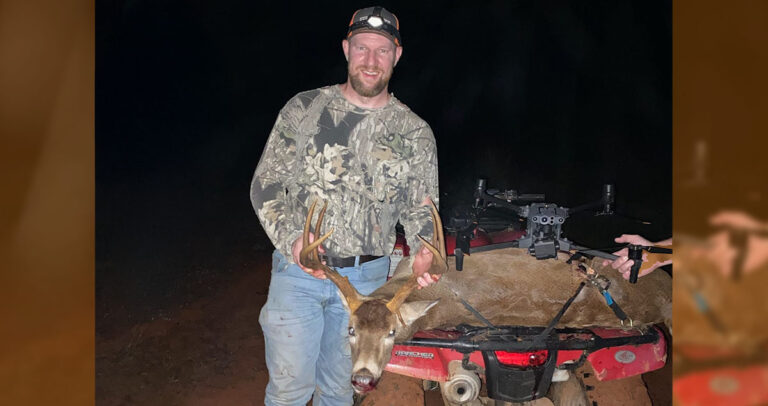
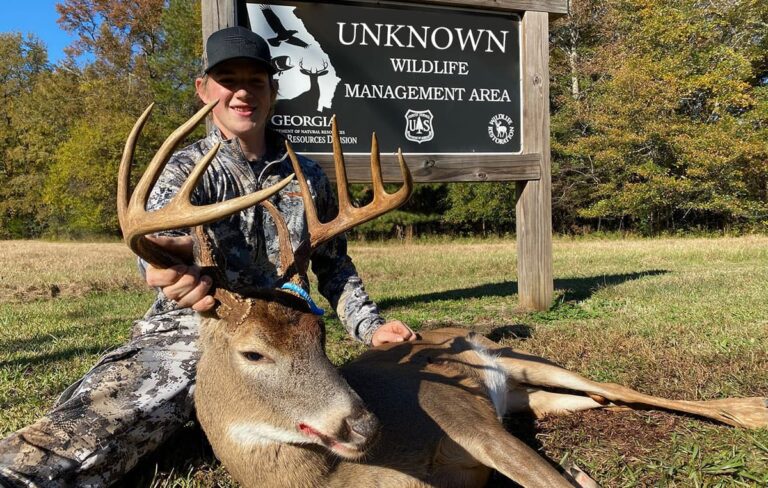
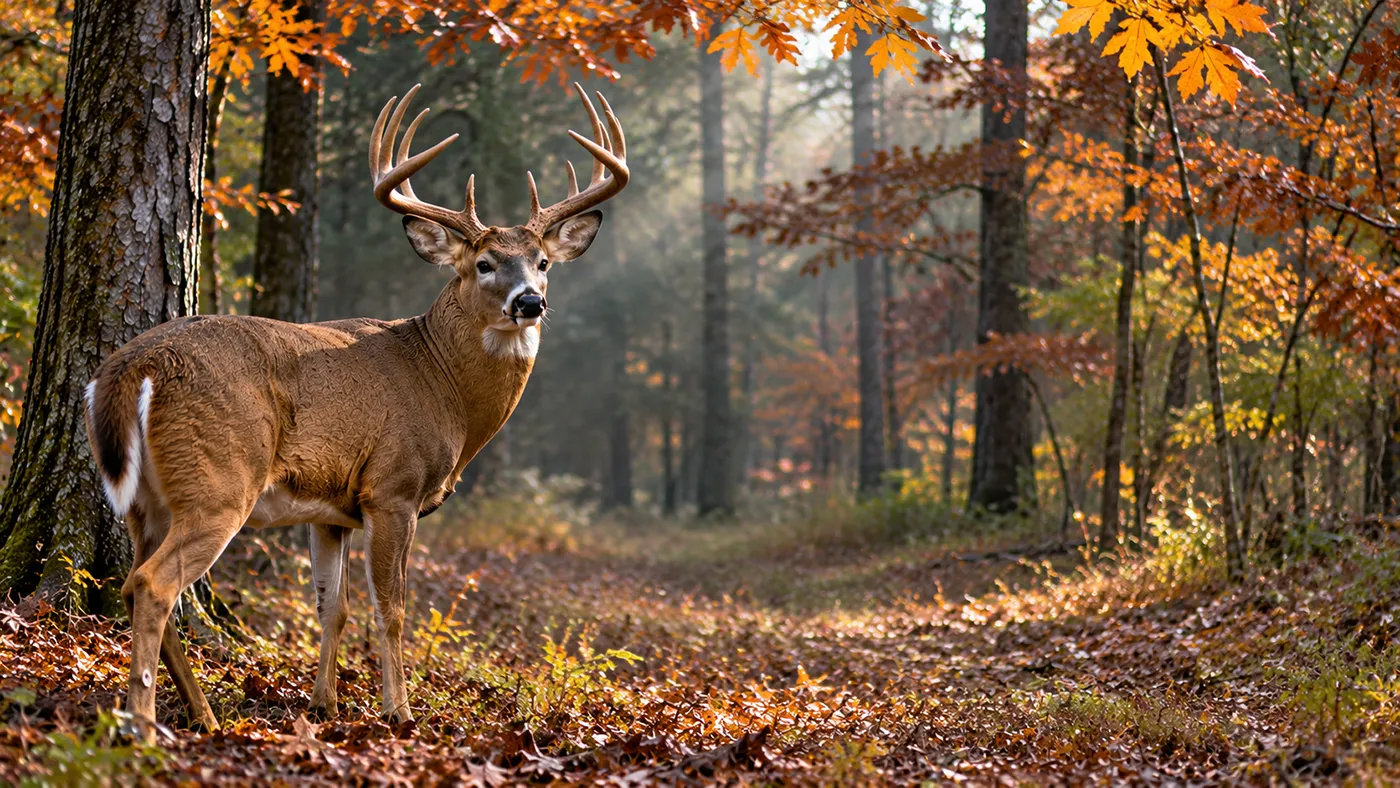
For deer hunters, November is the month we’ve been waiting for. The whitetail rut is kicking into high gear across much of Georgia, providing some of the best opportunities of the season to catch a mature buck on his feet during daylight hours.
But deer hunting is just part of the story. Duck season opens later this month, rabbit and quail hunters will finally get their chance to head afield, and dove hunters have another opportunity to hit the fields. Meanwhile, cooler water temperatures are bringing some excellent fall fishing opportunities to Georgia’s lakes, rivers, and coast.
Whether you’re climbing into a deer stand, following a pack of beagles, wading a trout stream, or launching the boat, November is a great month to be outdoors in Georgia.
The Whitetail Rut Takes Center Stage
For many Georgia deer hunters, November is the most anticipated month of the entire hunting season, and for good reason.
Across much of the state, bucks are entering their peak breeding period, when their attention shifts from feeding and avoiding danger to finding receptive does. That means increased movement, sometimes at hours when mature bucks would ordinarily be tucked away in thick cover.
It’s the time of year when that buck you’ve only been seeing on trail cameras after dark might suddenly appear in broad daylight. It’s also when a buck you’ve never seen before might come cruising through your hunting area in search of does.
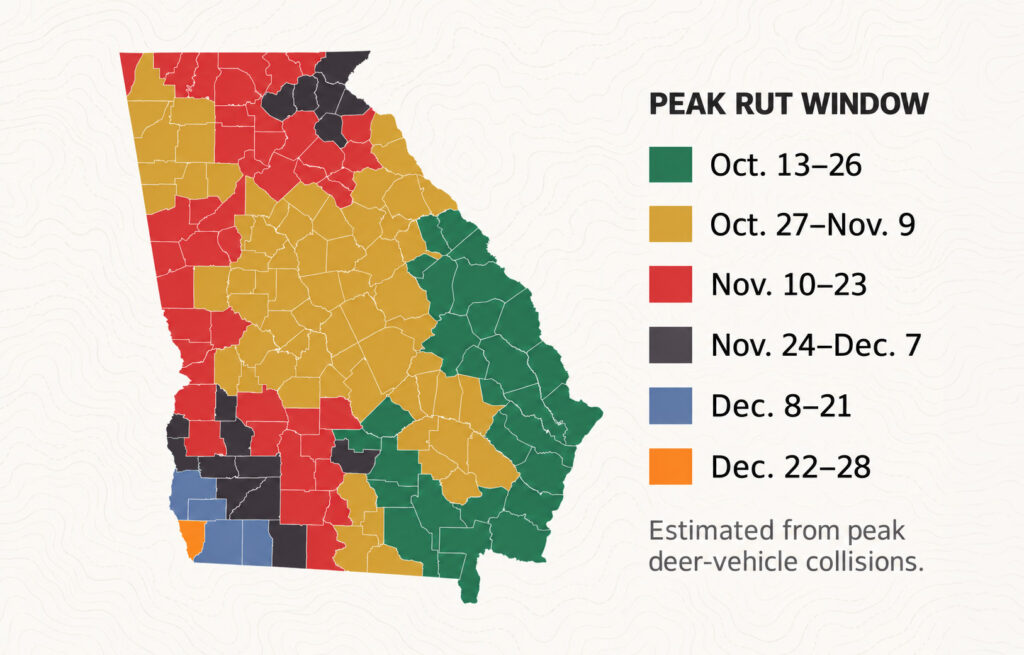
Of course, one of the things that makes deer hunting in Georgia interesting is that the rut doesn’t happen at the same time everywhere.
In much of the Piedmont and portions of north Georgia, peak breeding activity typically occurs in November. However, some areas of eastern and southern Georgia experience earlier peaks, while portions of southwest Georgia may not reach peak breeding until December or even later.
That’s why understanding the timing of the rut where you hunt is more useful than relying on a single statewide prediction.
Georgia’s rut timing is influenced by breeding patterns established over many generations, including the effects of deer restocking efforts decades ago. While cold fronts can influence when deer move during daylight, temperature changes don’t suddenly shift the biological timing of the rut.
If you’re trying to pin down the best dates for your hunting area, check out our Georgia Rut Dates by County resource. It includes a county-by-county map showing the estimated timing of peak deer movement across the state.
Making the Most of November Deer Hunting
My advice for hunting the November rut is fairly simple: Spend as much time in the woods as you reasonably can, and pay particular attention to areas where bucks are likely to encounter does.
Travel corridors between bedding areas, wooded funnels, creek crossings, and pinch points can all be productive locations. Scrapes and rubs can help reveal buck activity, but once the rut gets underway, I put more emphasis on where the does are spending their time.
And don’t overlook midday hunting.
While early morning and late afternoon are still productive, bucks searching for receptive does may be on their feet at just about any hour. If your schedule allows, this is one time of year when staying in the stand through lunch can pay off.
Of course, nothing is guaranteed. I’ve spent enough slow November mornings in a deer stand to know that even during the rut, deer don’t always cooperate. But when things come together, there’s no better time to be in the Georgia deer woods.
November 2026 Georgia Hunting Season Dates
While deer hunting gets much of the attention this month, November also brings the opening or return of several other popular hunting seasons.
Here’s a quick look at some of the important statewide hunting dates for November 2026.
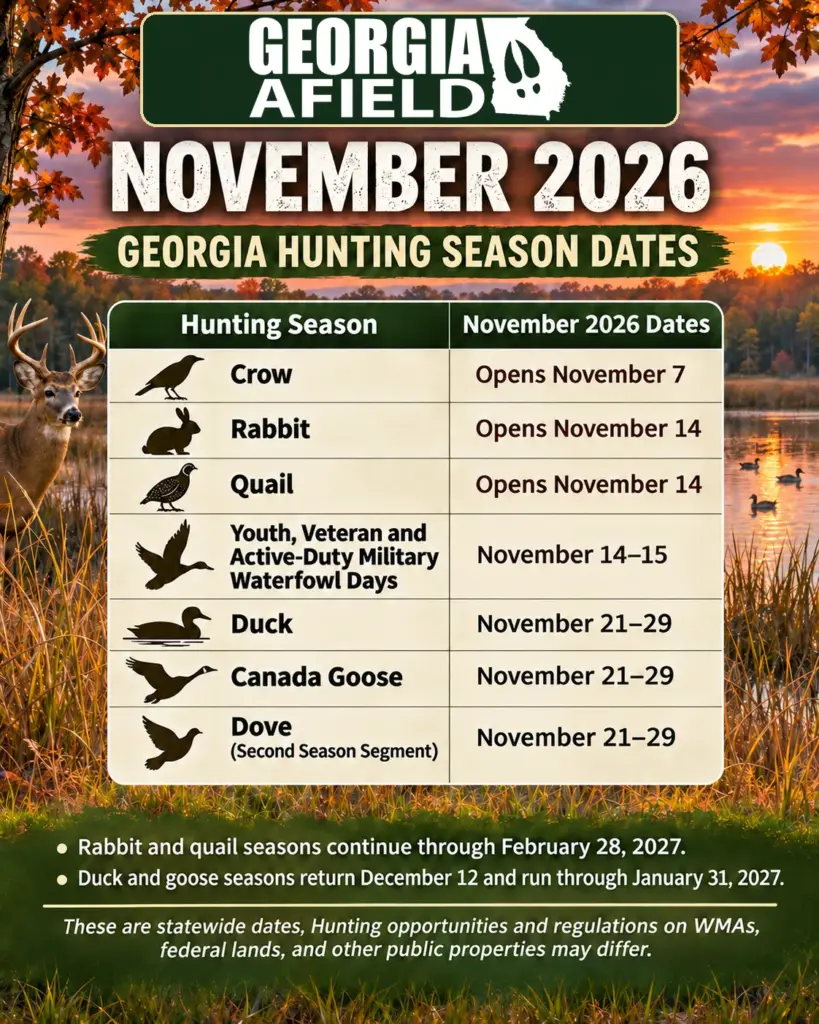
Rabbit and quail seasons continue through February 28, 2027. Duck and goose seasons resume December 12 and run through January 31, 2027.
These are statewide dates. Hunting opportunities and regulations on Wildlife Management Areas (WMAs), federal lands, and other public properties may differ.
Georgia Duck Season Opens November 21
There’s something special about a cold morning in a duck blind, listening to wings overhead while waiting for the first hint of daylight.
Georgia’s regular duck season opens Saturday, November 21, and runs through November 29 before closing for a short break. The second segment opens December 12 and continues through January 31.
The 2026–27 season also includes special waterfowl hunting days on November 14–15 for youth hunters age 15 and younger, veterans, and active-duty military personnel. Youth hunters must be accompanied by an adult at least 18 years old, and special eligibility rules apply to who may hunt.
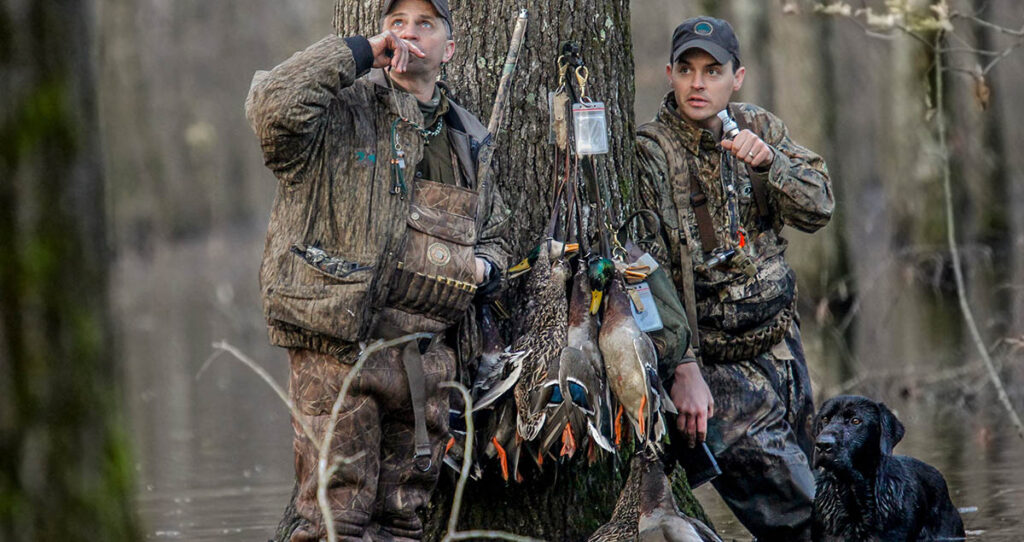
For hunters planning to pursue ducks this month, now is a good time to finish scouting, check equipment, and make sure all the necessary licenses and stamps are in order.
Georgia offers a variety of waterfowl hunting opportunities, from flooded timber and beaver ponds to large reservoirs, coastal marshes, and managed public hunting areas.
Wood ducks are a favorite among many Georgia hunters, particularly those who spend their mornings along wooded creeks and swamps. But depending on the weather, location, and migration conditions, hunters may also encounter mallards, teal, gadwall, ring-necked ducks, and other species.
One thing worth remembering is that duck hunting regulations can vary considerably on public lands. Some managed impoundments require quota permits, while others have restrictions on hunting days, shooting hours, or access.
For a complete rundown of season dates, bag limits, license requirements, and public hunting opportunities, check out our Georgia Waterfowl Hunting Seasons 2026–2027 Guide.
Rabbit and Quail Seasons Open November 14
For hunters who enjoy following a good dog through the Georgia countryside, November 14 marks the opening of both rabbit and bobwhite quail seasons.
Rabbit hunting has a long tradition in Georgia, and there’s not much that compares to listening to a pack of beagles work a rabbit through a briar patch on a chilly morning.
It’s the kind of hunting that doesn’t always require a lot of fancy equipment or preparation. Give me a shotgun, a good pair of boots, some thick cover, and a few friends or family members, and you’ve got the makings of a pretty enjoyable day.
Quail hunting offers a different experience, especially for those fortunate enough to hunt behind a well-trained pointing dog.
Georgia’s wild bobwhite populations aren’t what they once were across much of the state, primarily because of changes in land use and habitat. Still, opportunities exist where suitable habitat is maintained, including portions of southwest Georgia and specially managed public hunting lands.
Hunters looking for public land opportunities should pay close attention to individual WMA regulations. While the statewide quail season opens November 14, some WMAs offer quail hunting only on designated dates or through quota hunts.
Both rabbit and quail seasons run through February 28, 2027, giving hunters plenty of opportunities to enjoy the woods long after the peak of deer season has passed.
Dove Season Returns November 21
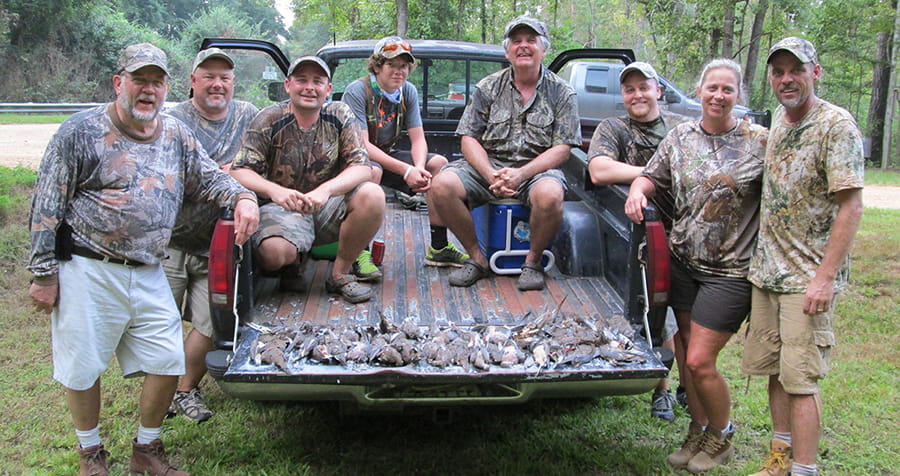
If you missed out on Georgia’s early dove season, or just aren’t ready to put the shotgun away, you’ll get another chance beginning November 21.
The second segment of Georgia’s dove season runs November 21–29, coinciding with the opening week of duck season and Thanksgiving.
Late-fall dove hunting can be a little different from those hot September afternoons when hunters are sitting around a field sweating through their camouflage.
By November, agricultural fields have changed considerably, and dove movements can depend heavily on available food sources and changing weather conditions.
Harvested crop fields, especially those with waste grain, can be productive places to look for birds. As always, hunters should be familiar with the rules regarding baiting and legally manipulated agricultural fields.
Several Georgia WMAs also provide public dove hunting opportunities, although access and hunting dates vary by property.
The final segment of dove season opens December 19 and runs through January 31, 2027.

Don’t Overlook Georgia’s Public Hunting Lands
One of the things I appreciate about hunting in Georgia is the variety of public land opportunities available across the state.
While private land certainly has its advantages, Georgia’s Wildlife Management Area system provides opportunities for deer, waterfowl, small game, and other species.
And November is an especially busy month on many of these properties.
For deer hunters, some WMAs offer firearms hunts during November, including quota hunts, sign-in hunts, and specialty opportunities. Others may be open primarily for archery hunting or have limited firearms dates.
If you’re considering a new place to hunt, the key is doing your homework before you go.
Don’t assume that a statewide hunting season means a particular WMA is open for that species. Deer hunts, quota hunts, and other scheduled activities can affect when and where small game and waterfowl hunting are permitted.
Check the current WMA regulations, review property maps, and make sure you understand any sign-in or permit requirements.
A little preparation can save you a wasted trip and might even help you discover a new favorite place to hunt.
November Fishing in Georgia: Don’t Put the Rods Away Yet
With so much hunting activity this month, it’s easy to overlook just how good November fishing can be in Georgia.
As water temperatures cool, fish begin adjusting their feeding patterns and locations. Depending on the species and body of water, that can mean some outstanding fishing opportunities before winter settles in.
And unlike deer season, you generally don’t have to be on the water before daylight to enjoy a productive trip.
Bass Fishing: Follow the Baitfish
November can be an excellent month for bass fishing on Georgia reservoirs, particularly when fish are actively feeding on shad and other baitfish.
As surface temperatures decline, baitfish often move into creeks, coves, and other areas where bass can take advantage of them.
On reservoirs such as Lanier, Oconee, Sinclair, West Point, and Hartwell, anglers should watch for baitfish activity and pay attention to where bass are holding in relation to creek channels, points, and shallow cover.
Moving baits such as spinnerbaits, crankbaits, and swimbaits can be good choices when fish are actively feeding. Topwater lures may also produce, particularly during warmer periods when bass push bait toward the surface.
Of course, conditions can change quickly. A cold front or a stretch of unusually warm weather may shift the bite, so don’t be afraid to adjust your approach.
Crappie Fishing Can Be Excellent
For anglers who enjoy chasing crappie, November is another month worth circling on the calendar.
As water temperatures fall, crappie often begin relating to creek channels, submerged timber, brush piles, and other structure that provides access to deeper water.
Lakes such as Oconee, Sinclair, Blackshear, and Clarks Hill offer crappie fishing opportunities, although the most productive depths and locations will vary with conditions.
Small jigs and live minnows remain popular choices, whether you’re fishing vertically over brush or slowly working along creek channels.
And you don’t necessarily need access to a large reservoir. Georgia’s Public Fishing Areas can also provide some good fall crappie opportunities.
In fact, Georgia DNR’s October 30 fishing report noted improving crappie fishing at several southeast Georgia Public Fishing Areas, including successful outings at Dodge County PFA.
Stripers and Hybrids Are Worth Pursuing
Cooler weather can also bring exciting striped bass and hybrid striped bass fishing to Georgia’s reservoirs.
Stripers thrive in cooler water, and fall conditions can create opportunities as fish follow schools of baitfish.
Lake Lanier is one of Georgia’s best-known striped bass destinations, but Clarks Hill, Hartwell, and several other reservoirs also offer opportunities.
Live bait remains a popular tactic, although artificial lures can be effective when fish are actively feeding near the surface.
Watch for diving birds, surface activity, and concentrations of baitfish. Those clues can help you locate feeding fish.
One word of caution: Check reservoir conditions and recent fishing reports before heading out. Fish locations can change considerably as the water cools and baitfish move.
Coastal Fishing for Redfish and Speckled Trout
November isn’t just a good month for freshwater anglers. Georgia’s coast can offer some outstanding inshore fishing as well.
Redfish and spotted seatrout are popular targets around tidal creeks, oyster bars, grass edges, and other coastal structure.
As the water cools, fish may become more concentrated in certain areas, and understanding tidal movement becomes increasingly important.
Live shrimp, soft plastics, and other natural-looking presentations can be effective, depending on water clarity and conditions.
Recent fishing reports have highlighted good catches of redfish and speckled trout around the St. Simons area and other portions of the Georgia coast.
For anglers who haven’t experienced Georgia’s saltwater fishing during the cooler months, November is certainly worth considering.

Delayed Harvest Trout Season Begins November 1
One fishing opportunity that deserves special attention this month is the opening of Georgia’s delayed harvest trout season.
Delayed harvest regulations took effect November 1, providing catch-and-release trout fishing opportunities on designated streams across north Georgia and the Atlanta area.
The Georgia Department of Natural Resources scheduled the first delayed harvest stockings of the season for the week of November 2, with additional stockings planned throughout the season.
During the delayed harvest period, which runs through May 14, anglers must release all trout immediately and use artificial lures equipped with single hooks.
Some of the designated waters include:
- Amicalola Creek: A popular destination on Dawson Forest WMA.
- Smith Creek: Located below Unicoi Lake at Unicoi State Park near Helen.
- Toccoa River: A designated section upstream of Lake Blue Ridge.
- Chattooga River: A scenic trout fishing destination along the Georgia–South Carolina border.
- Chattahoochee River: A delayed harvest section in the Atlanta area.
These streams provide opportunities for anglers to catch stocked trout while enjoying some of Georgia’s most scenic waterways.
For those who enjoy fly fishing, November can be an especially enjoyable time to visit these waters. The summer crowds have thinned, the temperatures are more comfortable, and the mountain scenery is hard to beat.
Be sure to check the exact boundaries of each delayed harvest section before fishing. Regulations on nearby stretches of the same stream may be different.
Make the Most of November
If there’s one problem with November in Georgia, it’s that there simply aren’t enough weekends to do everything.
Between deer hunting, duck season, small game hunting, and fall fishing, there’s no shortage of reasons to get outdoors.
I know it’s easy to get caught up in the excitement of the rut and let the rest of the month slip by. But some of the best memories I’ve made outdoors haven’t necessarily involved a big buck or a limit of fish. They’ve come from simply being out there, enjoying the experience and the people I’m sharing it with.
So whether you’re waiting on a mature buck to step into a shooting lane, listening to beagles work a rabbit, or watching a fishing line tighten on a cool November morning, make time to enjoy it.
Before you know it, we’ll be talking about Christmas and the final weeks of deer season.
While Georgia Afield works to keep this information accurate and current, hunting dates and regulations can change and may vary by county or property. Always consult the current Georgia hunting regulations and any applicable property-specific rules before heading afield.